LobsterAtlantic lobster, American lobster, Maine lobster
Details
- Latin name:Homarus americanus
- Seafood type: Lobster
- Harvest method: Trap, Trap trawl
- Region: Atlantic Canada
- Wild/Farmed:Wild
Status:
Not Recommended Lobster
Credit: FAO
Sustainable alternatives:
Trap-caught Lobster from Massachusetts or the Ocean Wise Fishers Collaboration are sustainable options.
Sustainability concerns:
Entanglement of protected and endangered marine mammals is a major concern with the lobster trap/pot fishery.
Notes/other details:
The Marine Stewardship Council is currently assessing the Canadian offshore Lobster fishery for certification as a sustainable fishery.
The American Lobster ranges from Newfoundland to North Carolina, supporting important and productive commercial fisheries in the US and Canada. Although some uncertainty exists about their status, populations of American lobster are thought to be healthy and abundant. Catch methods have relatively low bycatch but there is concern over the entanglement of protected and endangered marine mammals. Gear regulations to reduce entanglements are coming into effect but have so far only been implemmented in the state of Massachusetts.
Life History and Population Status:
The American lobster is a slow-growing, late-maturing and long-lived crustacean. These characteristics make them vulnerable to fishing pressure but their high reproductive output and parental investment in brooding the eggs, increases their resilience. Lobster populations are thought to be healthy and abundant throughout most of their range but there is still much confusion and many unknowns regarding abundance numbers.
Management:
The Canadian Lobster fishery is managed by the Department of Fisheries and Oceans. There are both inshore and offshore fisheries for lobster. Entanglement of marine mammals is mainly a concern with the inshore fishery. Fishers are trained in entanglements. Management measures include effort controls such as seasons, trap limits, prohibition on egg-bearing females and minimum carapace size. Although minimum size requirements are in effect, immature females are often caught, which may increase the risk of overfishing.
Impact on Other Species:
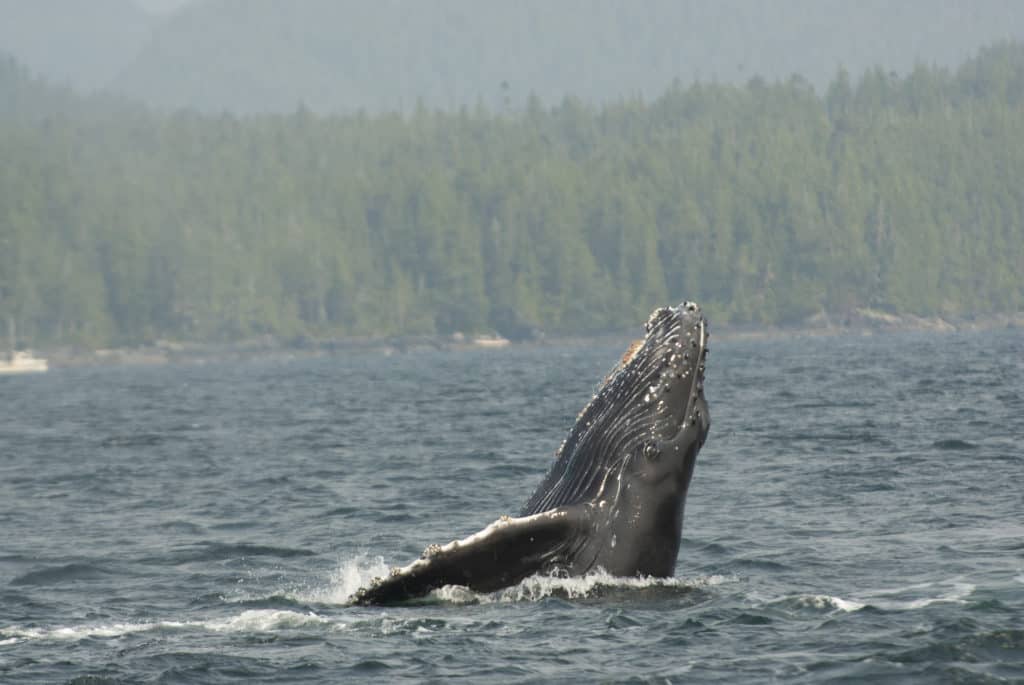
Bycatch of fish and invertebrates is minimal with lobster pots/traps but entanglement of marine mammals in trap lines occurs. A major concern is the entanglement of humpback whales and the endangered North Atlantic Right Whale. The Canadian North Atlantic Right Whale Recovery Plan was developed in order to address this concern.
Habitat and Ecosystem Impacts:
Lobster pots have a small to moderate impact on seafloor habitats.
Notes:
- No or little concern in this area.
- Significant concern in this area.
- Area under study.