AbaloneGreen abalone
Details
- Latin name:Haliotis fulgens
- Seafood type: Abalone
- Harvest method: Closed system
- Region: US
- Wild/Farmed:Farmed
Status:
Ocean Wise Abalone
Credit: COSEWIC
Sustainable alternatives:
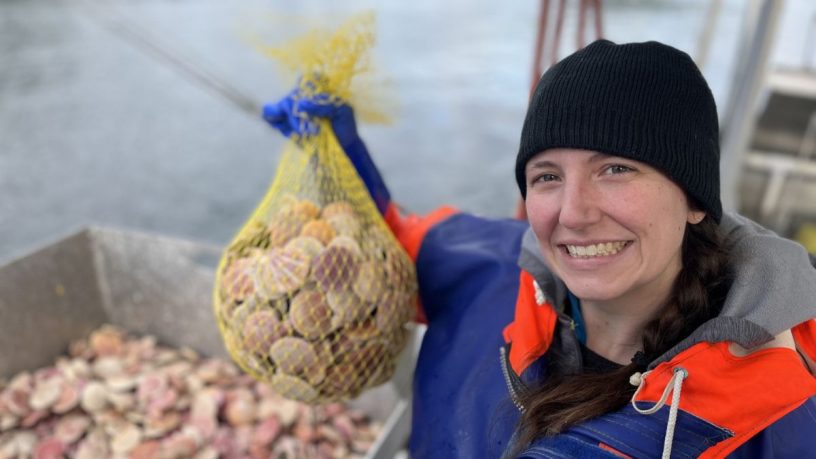
Farmed Abalone is a sustainable seafood choice
Sustainability concerns:
Concerns are beginning to be raised over the energy footprint associated with closed containment farming.
Notes/other details:
The northern abalone is federally protected as a threatened species under the Species at Risk Act
Northern abalone aquaculture expansion would require a regulatory change to the Species at Risk Act.
The development of northern abalone culture will need to overcome the biological barrier of inherent slow growth.
Due to overfishing, the wild abalone BC fishery was closed in 1990. Despite the fishery closure, wild stocks continue to decline. Farmed abalone provides a sustainable alternative.
Life History and Population Status:
Northern abalone (Haliotis kamtschatkana) is legally listed and protected under the Species at Risk Act in Canada. Depleted abalone stocks in California caused the wild fishery to close in 1997. The northern abalone is inherently vulnerable to overfishing due to being a slow growing, relatively long-lived (up to 40-50 years) sedentary species that experiences short larval periods. Alternatively, farmed abalone such as the commonly farmed red abalone (Haliotis rufescens) can reach marketable size within 3 years.
Management:
Regulation restrictions have caused resistance to the development of northern abalone aquaculture in Canada. However a new pilot venture in Nova Scotia in association with the National Research Council Industrial Research Assistance Program has recently successfully cultured 800,000 Red Abalone (Haliotis rufescens). US abalone aquaculture is regulated by state governments, with abalone culture found solely in California. More than 80 per cent of farmed abalone production is from China, with operations also existing in South Africa, Chile, Iceland, Mexico, Australia and New Zealand.
Impact on Other Species:
Abalone are typically cultured in land based seawater tanks or raceways, however suspended barrels or cages do exist. Seeds for culture are obtained from hatcheries. Bycatch is not a concern.
Habitat and Ecosystem Impacts:
Habitat damage is of a minor concern with abalone culture.
Resources:
Notes:
- No or little concern in this area.
- Significant concern in this area.
- Area under study.